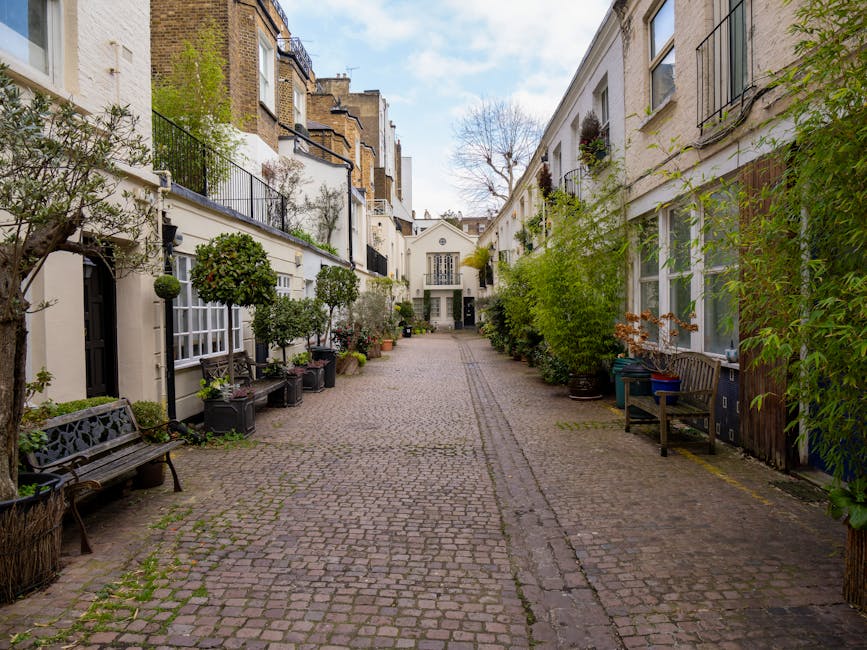
Access and parking problems for Highbury gardeners and site fees
If you have ever watched a gardener arrive in a narrow Highbury street with tools, sacks, fuel cans, and a van that seems just a touch too large for the space, you already understand the issue. Access and parking problems for Highbury gardeners and site fees are not just an admin detail; they can shape how long a job takes, what equipment can be brought on site, and whether a quote stays stable once the work begins. In a busy London area, those small logistics choices matter more than people expect.
This guide breaks down what those charges usually cover, why they exist, and how to plan sensibly so you do not end up paying for preventable delays. It is written for homeowners, landlords, and property managers who want a fair, transparent approach. And yes, it is also for the person who has stared at a blocked driveway and thought, well, that is going to be awkward.
Table of Contents
- Why access and parking problems matter
- How access and parking charges work in practice
- Key benefits and practical advantages
- Who this is for and when it makes sense
- Step-by-step guidance
- Expert tips for smoother jobs
- Common mistakes to avoid
- Tools, resources and recommendations
- Law, compliance, standards and best practice
- Options, methods and comparison table
- Case study or real-world example
- Practical checklist
- Conclusion
- Frequently asked questions
Why Access and parking problems for Highbury gardeners and site fees Matters
Garden work is physical, time-sensitive, and often messier than it looks from the pavement. If a gardener cannot park near the property, or if access is tight enough to slow equipment movement, the job usually takes longer. That can affect labour time, fuel use, and whether extra help is needed. In practical terms, these are the site fees people see on quotes.
In Highbury, this matters because many homes sit on residential streets where parking is limited, loading is awkward, and access routes are not always straightforward. A simple lawn cut or hedge tidy can become a longer operation if the team must carry tools a distance from the van or keep moving vehicles to avoid restrictions. Little things. But little things add up.
For customers, the benefit of understanding these charges is simple: fewer surprises. For gardeners, it creates a fairer way to price work where logistics are not ideal. Nobody likes a vague fee, to be fair, but a well-explained access charge is usually better than an underpriced job that becomes rushed.
Expert summary: Access and parking issues are best treated as part of job planning, not as an afterthought. When they are identified early, the work tends to run smoother, quotes are clearer, and the final result is easier to manage.
If you are comparing services, it helps to look at the wider package too. A provider offering a clear services overview, transparent pricing and quotes, and proper insurance and safety information is usually signalling that the job will be handled with care rather than guesswork.
How Access and parking problems for Highbury gardeners and site fees Works
Site fees are usually added when a property creates extra effort that is not part of a standard visit. That extra effort might be due to restricted parking, long carrying distances, awkward entry points, security gates, basement gardens, narrow side access, or shared mews arrangements. The exact format varies, but the logic is usually the same: more time, more complexity, more planning.
Let us keep it plain. If a gardener can park outside, unload tools quickly, and move materials straight into the garden, the job is more efficient. If instead the van has to park around the corner, or there is no safe loading space, the team may spend ten or fifteen minutes just moving kit in and out. On a one-off job, that is not a disaster. On a bigger job, it can change the whole schedule.
These charges may be fixed, hourly, or added as a bespoke line item. Sometimes they are wrapped into the total quote. Sometimes they are itemised separately. The most important thing is that they are explained before work starts, not discovered when the invoice lands on the mat.
Common triggers include:
- no driveway or reserved parking close to the property
- resident permit zones or timed parking restrictions
- shared access that slows entry and exit
- stairs, basement routes, or long paths to the garden
- large waste removal loads needing multiple trips
- jobs that require equipment staging away from the work area
In some cases, a provider may also adjust the quote if access affects the type of service itself. For example, garden clearance and tree lopping and removal can be more sensitive to loading space and vehicle access than a quick maintenance visit. A neat front border is one thing; removing bulky waste from a rear garden is another story altogether.
Key Benefits and Practical Advantages
It may sound odd to talk about benefits when the subject is parking stress and site fees, but there are real upsides when the process is handled well.
- Clearer budgeting. You know what you are paying for and why.
- Better job timing. Crews can plan the day realistically, which reduces delays.
- Improved workmanship. A team that is not rushing to manage parking chaos can focus on the garden.
- Fewer disputes. Transparent site fees reduce arguments after the fact.
- Safer handling. Less awkward carrying and fewer hurried unloads mean lower risk of spills, trips, or damaged materials.
There is also a quieter advantage: trust. A company that talks honestly about access issues is usually easier to work with across the whole project. That matters whether you need regular garden maintenance, seasonal hedge trimming, or repeat visits for lawn mowing.
For many customers, the biggest win is avoiding the awkward feeling of paying extra for something they did not understand. Nobody wants that. A clear quote, a quick explanation, done.
Who This Is For and When It Makes Sense
This topic matters to anyone commissioning gardening work in Highbury where access is not straightforward. That includes terraced homes, maisonettes, flats with shared entrances, properties on busy streets, and homes with rear gardens that are only reachable through the building. It also matters to landlords and letting agents who want a reliable, repeatable cost structure for ongoing upkeep.
It makes particular sense in the following situations:
- you know parking is limited near the property
- the garden sits behind the house with no direct vehicle access
- the work involves bulky waste, decking materials, or heavy soil movement
- you are arranging a one-off job after a long period of neglect
- you want a maintenance plan and need the quote to be realistic from day one
If you are planning more involved improvements, access should be discussed early alongside the scope of the job. That is especially true for landscaping, landscape gardening, and decking services, where materials, skips, and staging space can all affect the final price.
Truth be told, many access problems only become obvious once somebody walks the route with fresh eyes. The front looks fine, then you get to the side gate and realise the wheelbarrow turn is a bit tight. It happens all the time.
Step-by-Step Guidance
1. Walk the route before asking for a quote
Start at the nearest realistic parking point, not the front door. Walk the route a gardener would use. Notice door widths, steps, turns, locks, side passages, and whether the garden can be reached without crossing delicate surfaces. This small exercise often reveals issues people forget to mention.
2. Be clear about parking conditions
Tell the provider whether there is driveway space, paid parking nearby, permit restrictions, or loading limitations. If a van cannot stay for long, say so. A quote based on a quick unload is very different from one that assumes multiple parking moves. It sounds obvious, but it gets missed a lot.
3. Explain the job size honestly
A light tidy is not the same as a full clearance after six months of growth. If you are not sure where your project sits, give a rough description and mention likely waste volumes. For bigger clear-outs, a team may suggest a different approach altogether, which is usually better than pretending everything will fit into one visit.
4. Ask how site fees are calculated
Some companies charge a flat access fee, some apply a time-based adjustment, and some include the cost inside the labour estimate. Ask for the method in plain English. If the answer feels vague, press for clarity. You are not being difficult; you are avoiding the classic "surprise line on the invoice" moment.
5. Confirm whether parking costs are separate
Parking charges, permits, and congestion-related costs are not always the same as a site fee. A provider may need to recover actual parking costs as well as the time lost moving the van. Ask how those items are treated so there is no confusion later.
6. Put the arrangement in writing
Once the scope and likely access issues are agreed, keep them in the quote or job notes. That protects both sides. It also helps if the job scope changes later and someone needs to check what was originally agreed.
7. Review the job after completion
After the work, take a quick look at whether the access assumptions were accurate. If the team had to work around unexpected barriers, note that for next time. Small bit of feedback, big improvement later.
Expert Tips for Better Results
Good access planning is mostly about being specific. Not dramatic. Specific.
- Send photos before the visit. A photo of the gate, path, parking bay, and rear access is often more useful than a long explanation.
- Mention heavy items early. Compost bags, old sleepers, broken pots, and wet turf all change the logistics.
- Plan around time windows. Morning parking can be very different from afternoon parking on the same street.
- Keep access clear on the day. Move bins, bikes, prams, and anything else that could block the route.
- Think about waste movement. If rubble or cuttings must travel a long way, ask whether an alternative method is better.
- Use maintenance cycles. Regular visits are usually easier to manage than periodic emergency clear-ups.
One practical trick: if you would not want to carry a full watering can down that route three times, a gardener probably would not want to either. That is a decent gut check. Slightly silly, but effective.
Also, if a job is likely to produce more waste than usual, ask whether sustainable disposal methods are part of the plan. Some providers explain their approach through a recycling and sustainability policy, which is reassuring when you want the green waste handled responsibly rather than bundled away without explanation.
Common Mistakes to Avoid
Most problems with access fees are not caused by bad intentions. They are caused by assumptions.
- Assuming parking will be easy. In Highbury, it often is not.
- Leaving mention of access until the day of the job. That is when extra costs are hardest to avoid.
- Hiding difficult access to keep the quote low. It nearly always comes back later.
- Forgetting about waste movement. A garden with no parking problem can still be awkward if the exit route is long or narrow.
- Comparing quotes without matching conditions. One provider may have assumed ideal access while another priced for reality.
- Ignoring repeat visits. A one-off job may tolerate inefficiency; a monthly visit should be built more sensibly.
Another common slip is treating the cheapest quote as the fairest quote. Sometimes it is. Often it is not. If the access issue is known and one quote looks oddly low, ask what has been assumed. That question saves headaches.
And honestly, a calm conversation at the start beats a tense one after the van has already parked three streets away. Every time.
Tools, Resources and Recommendations
You do not need special software to manage access and parking issues, but a few simple tools help a lot.
- Phone photos or short videos. Great for showing gates, steps, and parking constraints.
- Notes on access times. Useful if the street has loading windows or resident-only restrictions.
- Measurements. Gate widths, path widths, and side access can matter for equipment choice.
- Waste estimate list. Jot down what needs removing before the visit.
- Job brief. A short written summary of the work reduces misunderstandings.
If you are comparing providers, pages like about the team and contact details can help you judge how easy they are to reach and how professionally they handle enquiries. You can also review terms and conditions and payment and security information before agreeing to anything. Not glamorous, but useful.
If a property is particularly awkward, it may be worth discussing whether the work should be split across visits. That can be better for access, better for the garden, and kinder on the budget too.
Law, Compliance, Standards and Best Practice
Access and parking fees in gardening are usually a commercial arrangement rather than a fixed legal category. That means the main best-practice concern is transparency. Customers should know what they are paying for, and providers should avoid slipping in unexplained extras after the job is done.
In the UK, good practice generally means:
- quotes are clear about assumptions
- site-specific issues are flagged before work starts
- health and safety is considered when moving tools, waste, and materials
- any extra charge is explained in advance where possible
- the provider follows its own published policies and service terms
For a service business, safety and fairness go hand in hand. A route that is poor for parking may also be poor for manual handling or safe loading. That is why it is sensible to review health and safety policy information and accessibility statement details when you need work completed in a tight or difficult space.
It is also sensible to check the provider's approach to disputes. If something does go wrong, a visible complaints procedure tells you there is a process rather than a shrug and a reciept. Small reassurance, but important.
Options, Methods and Comparison Table
There is no single right way to handle access and parking problems. The best method depends on the job, the street, and how much waste or equipment is involved.
| Approach | Best for | Pros | Drawbacks |
|---|---|---|---|
| Flat site fee | Simple jobs with predictable access issues | Easy to understand, easy to quote | May feel blunt if the issue is minor |
| Hourly adjustment | Jobs where parking uncertainty changes day to day | More flexible, reflects actual time | Less predictable for the customer |
| All-in quote | Customers who want one total price | Clean, tidy, minimal admin | Requires good assumptions at the start |
| Split visit plan | Large or awkward gardens | Reduces pressure on access, often improves workmanship | May take longer overall |
For many Highbury properties, an all-in quote with a clearly stated access assumption is the sweet spot. It keeps things simple while still protecting the provider if conditions are more complex than expected. For larger projects, a split-visit plan can be the better call, especially where landscaping or waste removal makes the logistics heavier.
Case Study or Real-World Example
Here is a realistic example from a typical Highbury terrace. A customer wanted a rear garden cleared, the hedge tidied, and a small border reshaped before spring. The house had no driveway, parking on the street was limited, and the side passage was narrow enough that larger tools would have been awkward. Nothing dramatic. Just awkward enough.
Before the visit, the customer sent a few photos of the gate, the side access, and the street outside. The gardener could see straight away that the van would need to park around the corner and that waste would have to be carried in smaller loads. Because that was known in advance, the quote included a modest site fee and a realistic allowance for carrying time. No surprise, no grumbling, no "we did not factor that in."
The job itself went smoothly because the team arrived prepared. Smaller tools were loaded first, waste bags were staged near the exit, and the hedge work was done before heavier clean-up. The customer probably noticed the lack of drama more than anything else. Which, in gardening, is often a sign the planning was good.
The interesting part is that the customer later switched to a regular upkeep plan. Once access had been mapped out properly, recurring visits became easier to schedule and price. That is the hidden upside of getting the first job right.
Practical Checklist
Use this checklist before requesting a quote or confirming a booking.
- Confirm where a van can legally park, or whether parking will be off-street.
- Measure gate widths and note any steps or tight turns.
- Check whether the garden is front, rear, or split-level.
- List any waste, heavy items, or bulky materials to be removed.
- Tell the provider about permits, timed restrictions, or loading limits.
- Ask how access issues affect the quote.
- Request that any site fee is explained in writing.
- Prepare clear paths on the day of the visit.
- Keep pets, bikes, bins, and prams out of the way.
- Save the agreed scope and any special notes for next time.
Quick tip: if your instinct says, "this might be a bit fiddly," mention it. That is usually the helpful moment, not the annoying one.
And if you are ready to talk through your property's access or parking challenges, a short conversation now is far easier than fixing a planning problem later.
Get a free quote today and see how much you can save.
Conclusion
Access and parking problems for Highbury gardeners and site fees are really about fairness and realism. A good quote should reflect the actual conditions on site, not a perfect world where every van parks neatly outside the gate and every tool has an easy route in. Once you understand that, the pricing makes far more sense.
The best outcomes usually come from straightforward communication, early photos, honest job descriptions, and a provider that is willing to explain the moving parts without hiding behind jargon. That is how you keep the work practical, safe, and properly budgeted. And frankly, it makes the whole thing less stressful for everyone involved.
When the access plan is clear, the garden work can be the easy part. That is a nice place to be.
Frequently Asked Questions
Why do gardeners charge a site fee for parking and access problems?
They charge a site fee when parking difficulty, long carrying distances, or awkward entry points add extra time or complexity to the job. It helps cover the real cost of reaching and working at the property.
Is a site fee the same as a parking charge?
Not always. A parking charge is the actual cost of parking the vehicle, while a site fee may cover time, effort, and access-related delays. Some providers separate them; others combine them.
How can I reduce access-related gardening costs?
You can reduce costs by sharing clear photos, confirming parking options early, clearing the access route, and being honest about the size of the job. Small bits of prep often save money.
Should access problems be mentioned before the quote?
Yes. Always. If access is tight or parking is limited, the provider needs that information before pricing the job. Otherwise the quote may not reflect the real work involved.
Do access issues affect all types of garden work?
They affect most services, but heavier or more material-heavy jobs are usually impacted more. Clearance, landscaping, tree work, and decking projects are often more sensitive than a light tidy.
Can a gardener change the price on the day?
Sometimes they can, if the actual conditions are very different from what was described. That is why it is best to be accurate from the start and keep the agreement in writing.
What should I tell a gardener about parking in Highbury?
Tell them whether there is driveway space, permit parking, loading restrictions, time limits, or the need to park around the corner. The more specific you are, the better.
Are site fees fair on repeat maintenance visits?
They can be fair if the access issues remain the same and still create extra work. For repeat visits, it is worth asking whether the provider can build a more predictable arrangement into the regular price.
What if my garden can only be reached through the house?
That is a common access issue and should be mentioned early. It may affect how tools are carried, how waste is removed, and what protective steps are needed inside the property.
Should I choose the cheapest quote if parking is awkward?
Not automatically. A low quote may assume easier access than you actually have. The fairest quote is the one that matches your property conditions and explains them properly.
What documents or policies should I look at before booking?
It is useful to review terms and conditions, payment and security information, health and safety details, and any complaints procedure. Those pages tell you how the business operates and how it handles issues if they come up.
Is it worth arranging a visit in person before booking?
Yes, if the property is awkward or the job is large. An in-person look can reveal access problems that photos might miss, especially on tight London streets or in shared garden settings.